Direction comes first
Excellent professionals can work on the birth of a restaurant. What is too often missing is someone who directs the whole.
What is missing
Even with a strong business idea and a significant investment, a project can reach opening day with problems nobody foresaw. Not necessarily because someone did a poor job, but because there was no overall vision connecting the phases and decisions of the project.
The role that provides it is the F&B and Hospitality Project Manager. Project management is an established discipline with well-defined methods, tools and responsibilities; what is still rare is its application to creating new restaurant and hospitality businesses.
F&B Project Manager and F&B Manager
An F&B Manager mainly runs the business: its organisation and its operating and financial results. An F&B Project Manager directs the path that leads to the business, from the first concept to launch.
They are different but complementary responsibilities, and they should talk to each other from the very start.
Method and industry knowledge
Knowing project management methods is not enough. It takes in-depth knowledge of the industry, gained through direct experience or thorough training in F&B management.
Understanding how a kitchen works, how the floor is organised, the dynamics of service, production processes and the economics of a restaurant makes it possible to grasp what each professional needs and to anticipate the consequences of design decisions.
Method lets you direct the process; industry knowledge lets you understand what it contains.
Space first, or the restaurant first?
Too often a project starts from the space, the materials, the furniture and the equipment, and only later asks how the business will actually work. It should start from the business idea and its translation into a business model and a concrete operating format.
A concept cannot simply be something the owner likes: it has to be buildable, manageable and financially sustainable. The Project Manager adds value by putting each professional in a position to decide knowingly, while there is still room to change course without compromising the project.
Before physically designing a restaurant, you have to define which restaurant you want to create.
Budget as an investment
It is not just about staying within an overall figure but about understanding where the investment creates value over time. A choice that looks cheap during construction can become a recurring cost for the whole life of the business; spending more at the design stage can bring major savings in operation.
Specialist expertise belongs in the budget alongside architecture, systems and equipment: it is not an extra cost but an integral part of building the business.
A kitchen has to work
The routes of raw materials, prepared dishes, staff and tableware are often underestimated. Floor staff coming back with dirty plates while others leave the kitchen with finished courses, clean tableware forced through the dirty-return area: interference, slowdowns and hygiene risks.
These movements happen dozens or hundreds of times in every service. A few seconds lost each time turn, over the months, into hours of work, lower productivity and higher costs.
An example: 5 seconds lost on every trip, 200 trips per service, 2 services a day for 300 days.167 hours of work in a year
Bring in the expertise early
Hiring a chef or a floor manager long before opening is a serious financial commitment at a stage when the business earns nothing yet. That does not mean doing without their expertise during design.
An F&B Project Manager with the right industry knowledge can anticipate many operational needs and, when necessary, bring in specialist consultants for specific phases.
The point is not to hire the staff earlier, but to involve the expertise earlier.
The Kalìa method
Three phases, one direction: from the first idea to opening night and beyond.
1
Listening
Every project starts with careful listening.
We study the context, the client’s needs, the goals and the resources available.
Only a deep understanding can support a solid project.
2
Vision
We turn ideas into concrete strategies.
We develop distinctive concepts, functional layouts, consistent storytelling and scalable business models.
Every proposal is tailor-made and built for the future.
3
Execution
We turn the strategy into action.
We coordinate suppliers, team and training, supervise the works and stay with the client through opening night and beyond.
Every detail is followed closely, for efficiency and operational consistency.
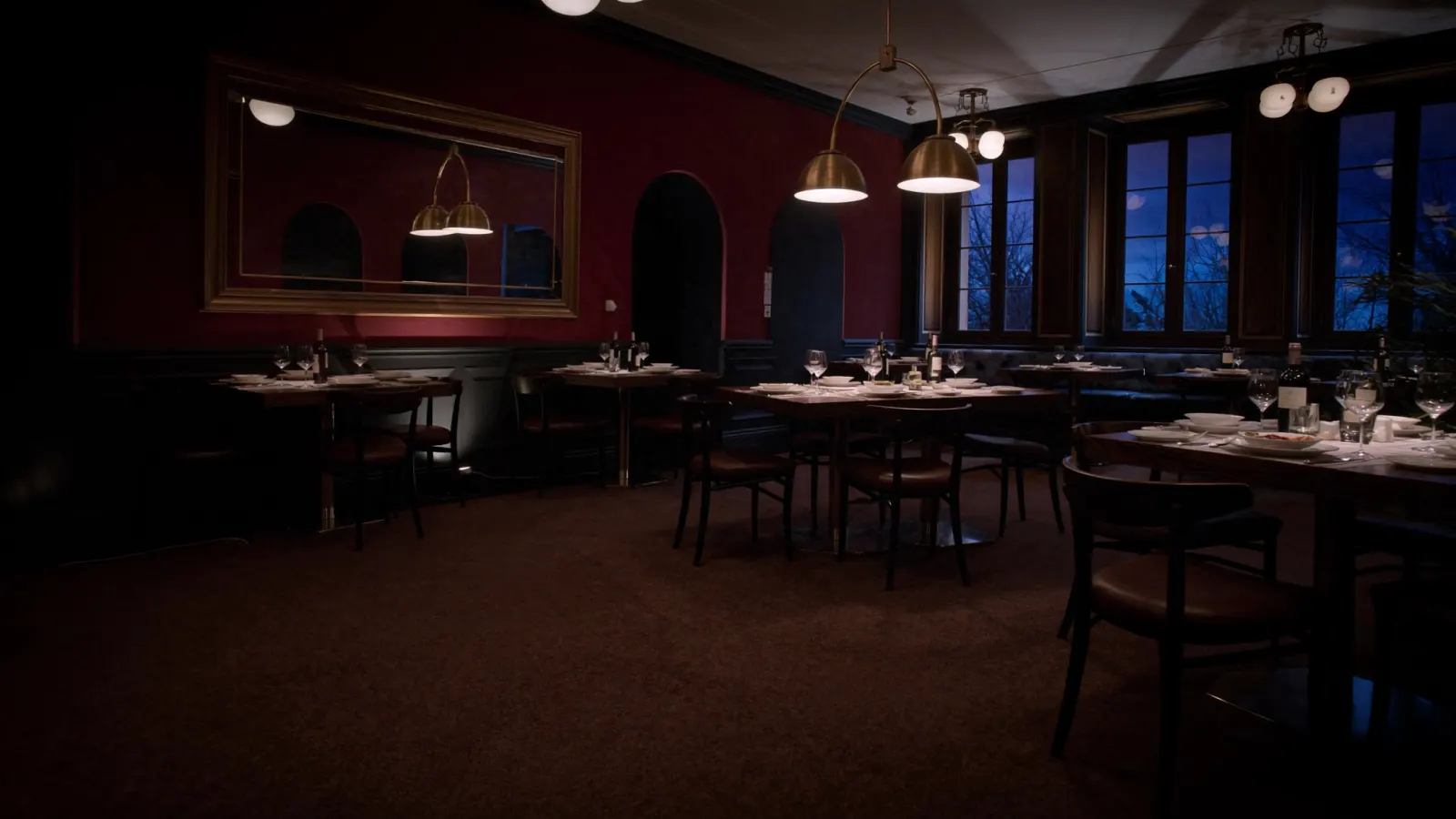
The best time to solve a problem is not when the restaurant is open. It is before you have created it.
30 minutes online, free of charge.